
Plastic and Aluminum in the Real World
Recyclable logos do not guarantee recycling. We examine local acceptance, contamination from labels or residues, and the durability of sprayers over multiple refills. Concentrates often use small pouches or vials; tablets arrive in tins or paper tubes; bulk liquids ride in larger jugs. Learn which containers actually make it through your municipal system, how to rinse effectively, and when upgrading to a reusable bottle can cut waste faster than anything else.

Water Weight and Transportation Emissions
Shipping water is carbon-intensive. Concentrates and tablets leverage the water already in your home, shrinking freight emissions and warehouse footprints. Bulk liquids can still win when distribution is local or refill stations are nearby. We translate abstract emission claims into relatable comparisons, like deliveries per year and miles avoided. With a few mindful choices, your routine purchases can lighten your household’s carbon load without sacrificing reliability or cleaning satisfaction.

End-of-Life and Reuse Habits
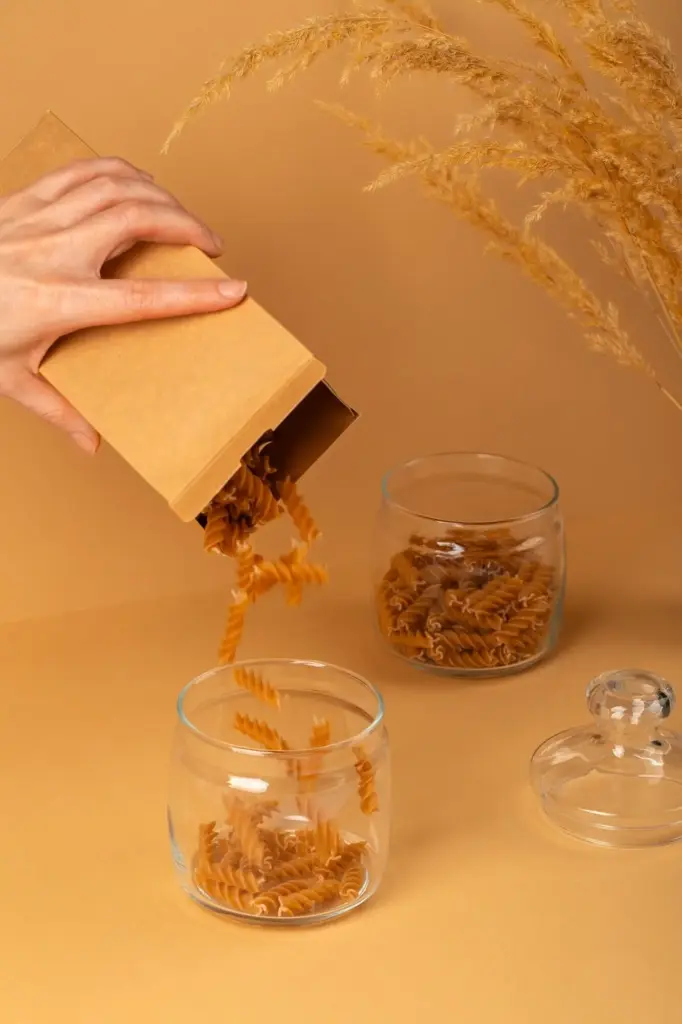
Real sustainability lives in habits: rinsing containers, reusing sprayers, storing tablets in dry jars, and refilling bottles until the label fades. We discuss residue management, child-safe closures you keep, and creative second lives for sturdy containers. When disposal is necessary, we map clear steps to avoid contamination and maximize recovery. By aligning daily actions with your chosen format, you’ll shrink waste invisibly, one easy, repeatable habit at a time.